 Home / Latest News
Addtime:2026-03-05 From: Read:10
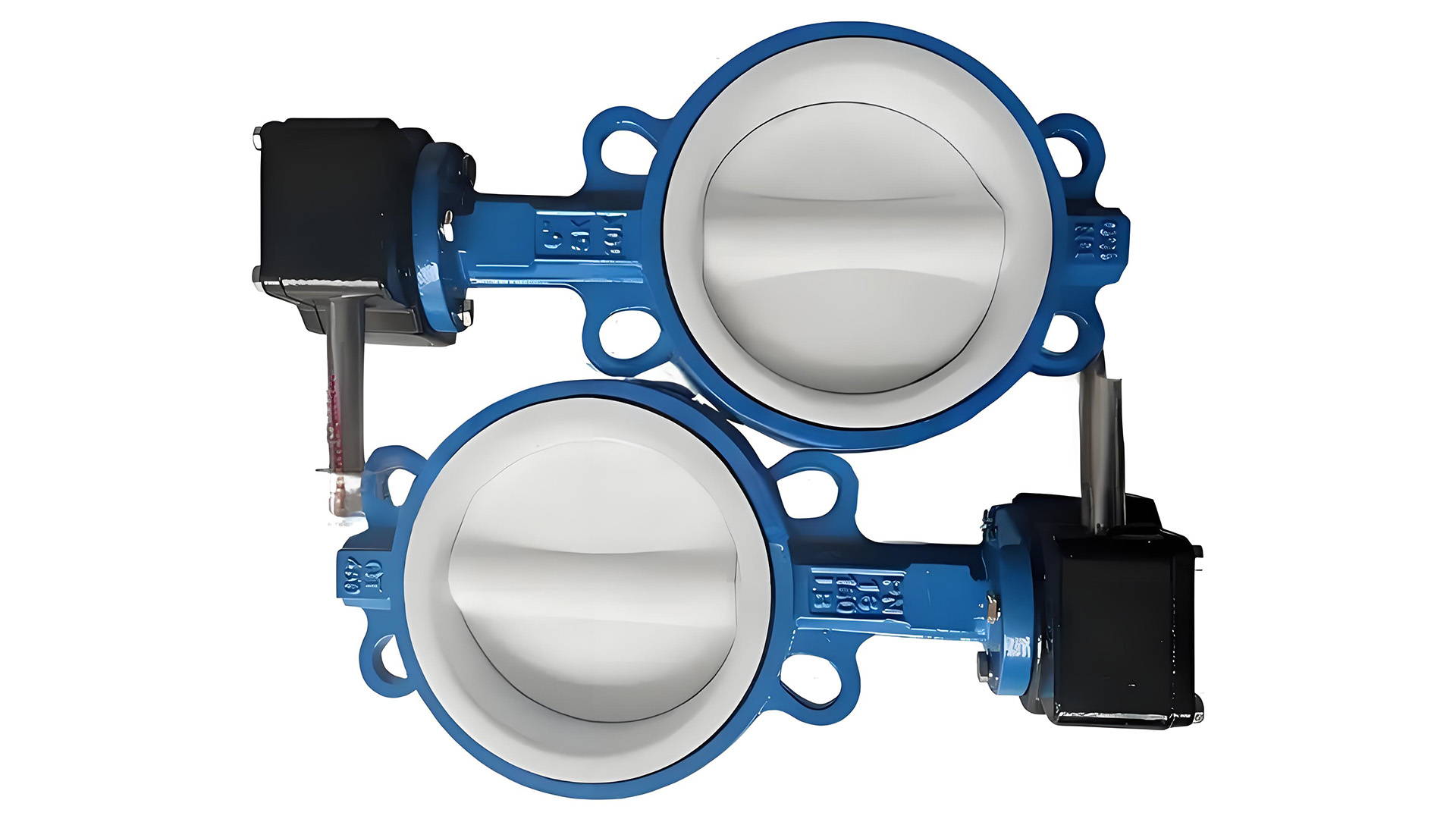
A fluorine-lined butt-weld butterfly valve is a type of butterfly valve in which the inner surface of the metal valve body is lined with fluoroplastics (such as PTFE, FEP, and PFA). The valve seat adopts a butt-connection with the pipeline, combining the strength of a metal body with the excellent corrosion resistance of fluoroplastics. It is widely used in multiple industries, mainly in the following scenarios:
Chemical Industry
Transportation of corrosive media:
Suitable for pipeline systems carrying strong acids such as sulfuric acid, hydrochloric acid, nitric acid, and phosphoric acid, as well as strong alkaline solutions like sodium hydroxide and potassium hydroxide. It can be used to regulate or shut off the flow of these media.
Organic solvent handling:
For organic solvents such as methanol, ethanol, and acetone, fluoroplastic lining materials can resist swelling and corrosion, ensuring the sealing performance of the valve.
Fine chemical reaction systems:
In fine chemical production, such as pharmaceutical intermediates and dye synthesis, these valves are used to control the transportation and shut-off of corrosive reaction materials.
Pharmaceutical and Food Industries
Clean pipeline systems:
Fluoroplastics are non-toxic, non-stick, and easy to clean. They meet food-grade standards (such as FDA) and pharmaceutical-grade requirements, making them suitable for controlling the transport of clean media such as medicinal liquids, purified water, and food additives.
Corrosive cleaning processes:
During equipment cleaning processes, pipelines carrying acidic or alkaline cleaning liquids require corrosion resistance and contamination prevention. Fluorine-lined butterfly valves provide both.
Water Treatment and Environmental Protection
Wastewater treatment:
Used in industrial wastewater systems (such as electroplating wastewater and printing & dyeing wastewater) and municipal sewage that contain corrosive components such as acids, alkalis, and chloride ions. The valves regulate flow or isolate pipelines.
Flue gas desulfurization and denitrification:
In desulfurization and denitrification systems of power plants and steel plants, these valves handle corrosive slurries or circulating liquids containing sulfur oxides and nitrogen oxides, resisting acidic corrosion.
Key Advantages
Excellent corrosion resistance:
Fluoroplastic linings offer outstanding resistance to most acids, alkalis, organic solvents, and strong oxidizing agents, making them suitable for harsh working conditions.
Reliable sealing performance:
The butt-connection design combined with a fluoroplastic valve seat ensures reliable sealing and reduces the risk of medium leakage.
Wide temperature adaptability:
Depending on the type of fluoroplastic used, these valves can typically withstand temperatures from –20°C to 180°C (some materials can tolerate even higher temperatures), meeting most industrial requirements.
Convenient operation:
Butterfly valves feature a simple structure and quick opening and closing, making them suitable for applications requiring frequent regulation or shut-off, while also maintaining relatively low maintenance costs.